
2026-10-09 · Alex 'Mac' McMillan
Basement Water After Heavy Rain
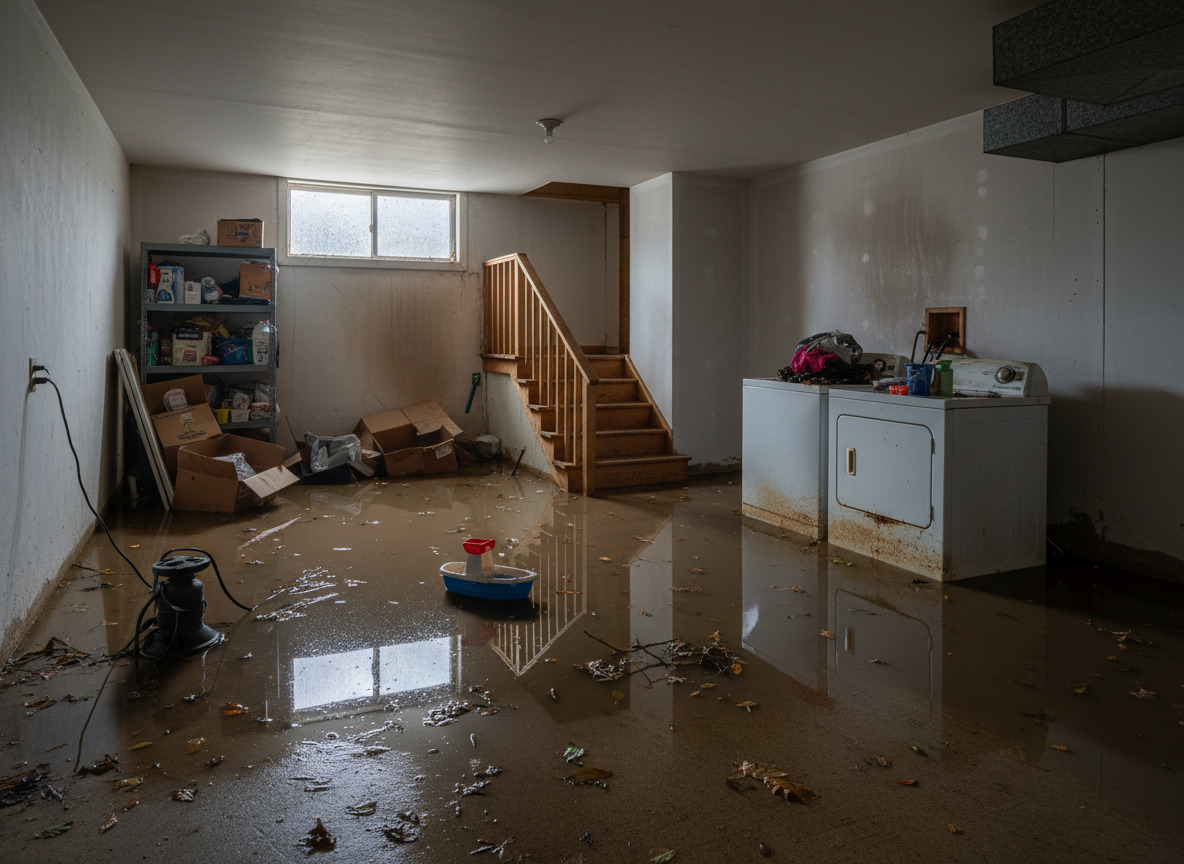
When heavy rains hit across Iowa, from the rolling hills around Fairfield to the urban centers of Iowa City and Fort Dodge, it's not uncommon for basements to experience water intrusion. This often happens because the ground becomes completely saturated, leading to increased hydrostatic pressure against your foundation walls. Coupled with the fact that many homes in these areas, particularly older constructions in places like Ottumwa or Oskaloosa, were built without modern exterior waterproofing, the conditions are ripe for water to find its way in. The direct answer is that heavy rains significantly increase the likelihood of basement water, and prompt action is crucial to prevent extensive damage and costly repairs. The duration and intensity of the rainfall, combined with the underlying soil composition, directly dictate the severity of the problem. What might be a minor seepage during a moderate shower can quickly escalate to significant flooding during a prolonged downpour.
Understanding Why Heavy Rains Cause Basement Water
The primary reason heavy rains cause basement water in Iowa is the sheer volume of water saturating the soil around your foundation. Our clay-rich soils in many parts of the state, such as around Webster City and Humboldt, don't drain as quickly as sandy soils. This leads to a buildup of hydrostatic pressure against your basement walls and slab. When this pressure exceeds the structural integrity or waterproofing capabilities of your foundation, water will inevitably find the path of least resistance through cracks, porous concrete, or even mortar joints. Another significant factor is the grading around your home. If the ground slopes towards your foundation instead of away from it, rainwater will naturally collect there, exacerbating the pressure. Issues with clogged or improperly installed gutters and downspouts also contribute, directing large volumes of water directly next to your foundation rather than safely away. This is a common oversight we see in many homes, both old and new, across the Iowa area.
Common Entry Points for Water After a Downpour
Identifying where water enters your basement is the first step toward a solution. After a heavy rain, water typically finds its way in through several common points. Foundation cracks are perhaps the most obvious, ranging from hairline fissures to larger structural breaks that allow water to seep or even stream in. These are particularly prevalent in older homes in areas like Coralville or North Liberty, where foundations have settled over decades. Another frequent entry point is through the cove joint, which is the seam where your basement floor meets the foundation wall. Hydrostatic pressure can force water up through this joint, even if your walls appear sound. Window wells that lack proper drainage or are filled with debris can also become overflowing pools, with water then pushing through the basement window itself or the surrounding wall. Finally, issues with sump pumps failing or being overwhelmed can lead to significant flooding, especially if they can't keep up with the influx of water during torrential rains. For more on this, you might find our article on <a href="/services/sump-pump-failure-causing-basement-flooding">Sump Pump Failure Causing Basement Flooding</a> helpful.
Immediate Steps When You Find Water in Your Basement
Discovering water in your basement after a heavy rain can be alarming, but acting quickly can minimize damage. Your first priority should always be safety: never wade into standing water if the power is still on, as there's a risk of electrocution. If possible and safe, turn off the electricity to the affected area from your main breaker. Next, begin removing standing water as soon as possible. Small amounts can be managed with towels and buckets, but for larger volumes, a wet/dry vacuum or a submersible pump will be necessary. Move any salvageable items, especially electronics, furniture, and sentimental belongings, to a dry area. Document the damage with photos and videos for insurance purposes. Opening windows and doors, if weather permits, can help with initial ventilation, but a more robust drying strategy will be needed. Remember, time is critical to prevent mold growth, which can start within 24-48 hours. For immediate assistance, our <a href="/services/emergency-water-extraction">Emergency Water Extraction</a> service is always available.
Preventing Future Basement Water Issues in Iowa
Proactive measures are key to keeping your basement dry, especially given Iowa's weather patterns. Start with ensuring your gutters and downspouts are clean and extend at least 5–10 feet away from your foundation. This simple step can divert thousands of gallons of water away from your home during a single storm. Proper grading around your home is also crucial; the ground should slope away from your foundation by at least 6 inches over the first 10 feet. Consider installing a reliable sump pump system with a battery backup, particularly if you're in a low-lying area or an older home in places like Lake City or Manson. For persistent issues, exploring <a href="/services/exterior-basement-waterproofing">Exterior Basement Waterproofing</a> or <a href="/services/interior-basement-waterproofing">Interior Basement Waterproofing</a> solutions might be necessary. These involve more comprehensive strategies like installing French drains, weeping tiles, or interior drainage systems to manage water before it enters your living space. Regular inspections of your foundation for cracks, especially after significant weather events, can also help catch problems early.
Addressing Structural and Drainage Deficiencies
Many homes across Iowa, particularly those built several decades ago in communities like Clarion or Rockwell City, often have foundations that weren't designed to withstand modern rainfall intensities or prolonged soil saturation. Over time, concrete can become porous, and hairline cracks can expand. Addressing these structural and drainage deficiencies is paramount for long-term basement dryness. This might involve crack injection repairs for minor issues or more extensive foundation repairs if significant structural damage is present. Installing a perimeter drainage system, either interior or exterior, can effectively relieve hydrostatic pressure by collecting water and directing it to a sump pump. Additionally, improving yard drainage by adding swales or catch basins can prevent water from pooling near your foundation. These solutions are an investment, but they protect your home's structural integrity and prevent recurring water damage that can lead to costly mold remediation or even foundation failure. Our blog post on <a href="/blog/spotting-early-signs-of-basement-water-in-older-iowa-homes">Spotting Early Signs Of Basement Water In Older Iowa Homes</a> offers more insights into common issues.