
2026-10-09 · Alex 'Mac' McMillan
Drying Out A Flooded Basement In Eastern Iowa River Towns
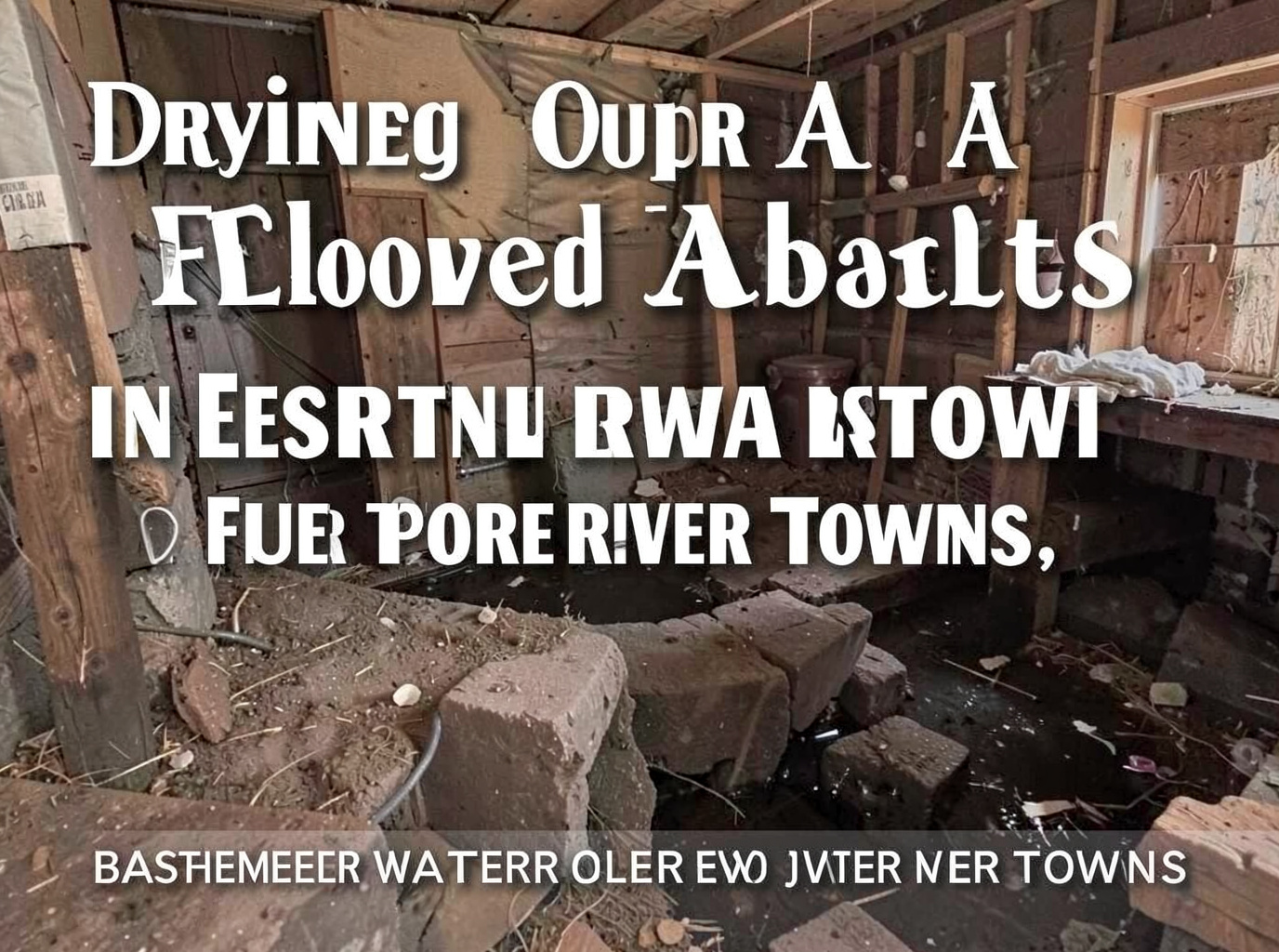
Drying out a flooded basement in Eastern Iowa river towns, such as along the Iowa River in places like Iowa City and Coralville, or the Des Moines River in Ottumwa, can take anywhere from 3 to 7 days for a typical residential basement, assuming prompt and effective water removal and professional drying equipment. However, the timeline can extend significantly, sometimes up to 2 weeks or more, if the flooding is extensive, if porous materials like drywall and insulation are saturated, or if the initial response is delayed. The high humidity often experienced in our region, especially during summer months, combined with the clay-rich soils prevalent across the Iowa area, can complicate the drying process by retaining moisture and making thorough dehumidification critical. Understanding these local conditions is key to a successful recovery.
Immediate Steps After Discovering Basement Water
When you first discover water in your basement, your immediate response is critical to minimizing damage and preventing long-term issues like mold growth. First, and most importantly, ensure your safety. If the water level is high enough to reach electrical outlets or appliances, do not enter the basement until the power has been safely shut off to that area, ideally by a qualified electrician or your utility company. Once safe, identify the source of the water if possible. Was it a burst pipe, a sump pump failure, or did it come in through foundation cracks after heavy rains? Knowing the source helps in both the immediate cleanup and preventing future occurrences. In many older homes in areas like Fairfield and Oskaloosa, aging infrastructure can contribute to issues like <a href="/services/sump-pump-failure-causing-basement-flooding">sump pump failure causing basement flooding</a>, or even <a href="/services/foundation-wall-water-seepage">foundation wall water seepage</a>.
Once the area is safe and the water source is addressed, the next step is to begin removing standing water. For shallow water, a wet/dry vacuum can be effective. For significant flooding, however, you'll need submersible pumps. Many homeowners in river towns are familiar with the rapid rise of water, especially during spring thaws or intense summer storms, making quick action essential. The longer water sits, the more it saturates structural components and personal belongings, increasing the risk of irreparable damage and mold. This is where professional help for <a href="/services/emergency-water-extraction">emergency water extraction</a> becomes invaluable, as they have the powerful equipment to remove large volumes of water quickly and efficiently.
Removing Saturated Materials and Drying the Structure
After standing water is removed, the focus shifts to drying out the structure and preventing mold. This often involves removing saturated materials. For instance, in many homes in Fort Dodge or Webster City, basements might have carpeting, drywall, or insulation that has absorbed water. These materials, especially if wet for more than 24-48 hours, are highly susceptible to mold and often need to be removed. Removing them allows for better air circulation and direct drying of the underlying structure.
Once these materials are gone, the real drying process begins. This isn't just about opening windows, especially in humid Iowa summers. Professional-grade air movers and dehumidifiers are essential to effectively dry out the concrete, wood, and other structural components. Air movers circulate air to evaporate moisture, while dehumidifiers remove that moisture from the air, preventing it from re-saturating surfaces. Without adequate dehumidification, especially in areas like Coralville or North Liberty where homes are often built with basements due to the water table, you're fighting an uphill battle against the persistent dampness that characterizes our climate. This comprehensive approach is critical for <a href="/services/structural-drying-and-dehumidification">structural drying and dehumidification</a>.
Addressing Humidity and Preventing Mold Growth
Controlling humidity is paramount in preventing mold after a basement flood. Even after visible water is gone, moisture can linger in the air and within porous materials. Relative humidity levels above 60% create an ideal environment for mold spores to germinate and grow. In Eastern Iowa, where summer humidity can frequently exceed this threshold, vigilance is key. Using industrial-strength dehumidifiers is far more effective than residential units in quickly bringing down humidity levels in a large, damp space. These machines can extract dozens of gallons of water from the air daily, accelerating the drying process significantly.
Beyond dehumidification, applying antimicrobial treatments to affected surfaces can help inhibit mold and mildew growth. This is particularly important in older homes throughout the Iowa area, where basements may already have a musty smell or show signs of previous moisture issues. Regularly monitoring humidity levels with a hygrometer will help ensure the area remains dry enough to prevent recurrence. For persistent issues or visible mold, professional <a href="/services/basement-mold-remediation">basement mold remediation</a> may be necessary to safely remove and prevent further spread, protecting both your property and your family's health.
Long-Term Solutions for Basement Water Prevention
Once your basement is dry and restored, it's crucial to implement long-term solutions to prevent future flooding. For homes in river towns, this often means considering exterior and interior waterproofing measures. For example, in areas like Ottumwa or Iowa City, where properties can be close to waterways, exterior solutions like grading improvements to direct water away from the foundation, or installing French drains, can be very effective. <a href="/services/exterior-basement-waterproofing">Exterior basement waterproofing</a> involves excavating around the foundation and applying waterproof membranes or coatings.