
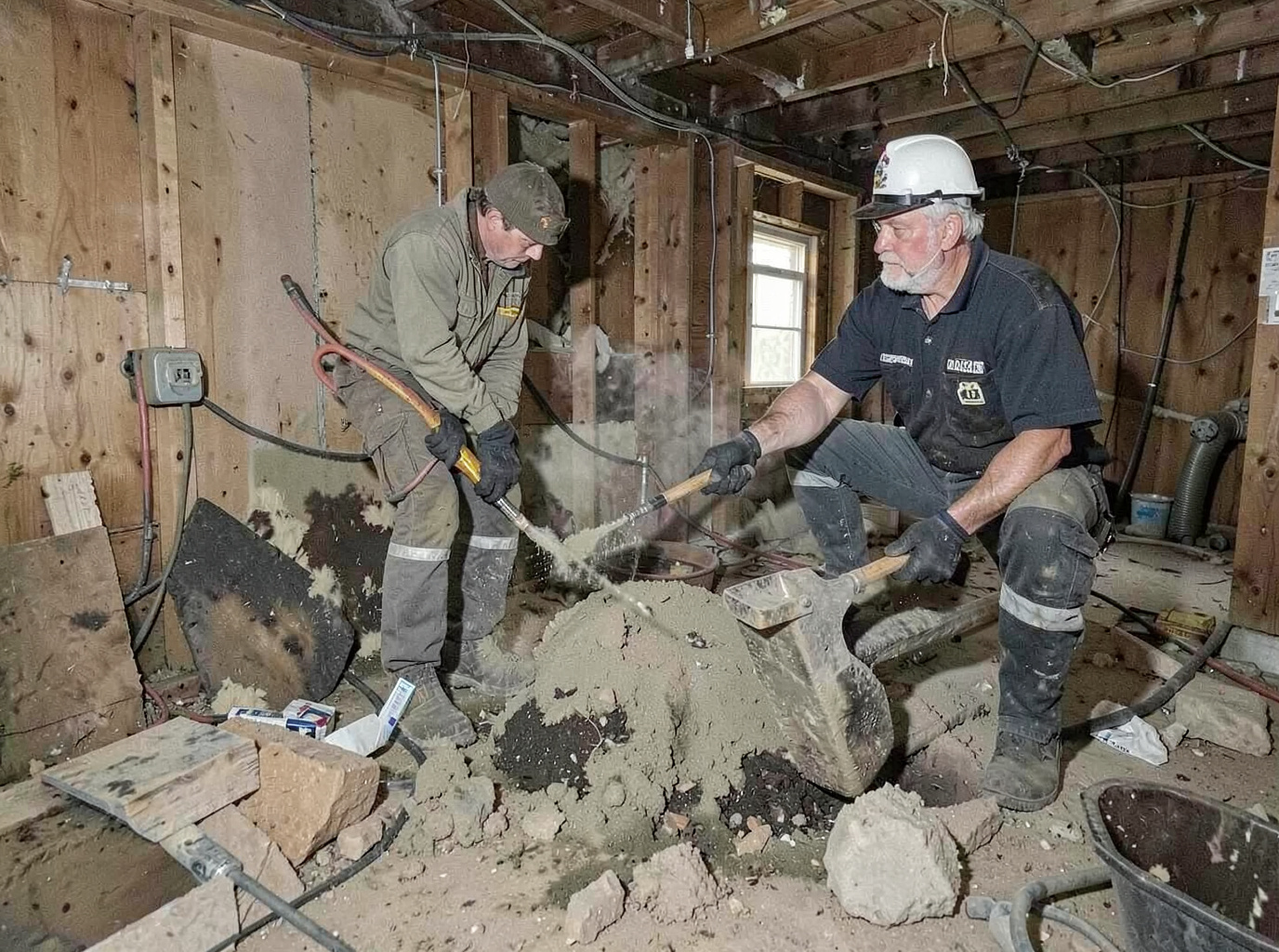
Basement mold remediation in across Iowa requires a specialized approach, particularly given the older housing stock found in many parts of the across Iowa area. Many homes, especially those built before the 1980s, often have basements with less effective waterproofing systems compared to modern construction. This can lead to persistent moisture issues, creating an ideal breeding ground for mold. Our process focuses not just on removing visible mold, but also on identifying and rectifying the underlying moisture problems, which is crucial for preventing recurrence. We understand the common challenges homeowners face in across Iowa, from hydrostatic pressure issues after heavy rains to condensation problems in poorly ventilated basements, and tailor our solutions accordingly to ensure lasting results.
The varying climate across Iowa, with its humid summers and freeze-thaw cycles in winter, significantly impacts basement moisture and mold growth. During warmer, wetter months, high humidity can lead to condensation on cool basement walls and floors, while inadequate drainage around foundations can direct rainwater towards your home. Conversely, winter can bring its own challenges, as fluctuating temperatures can cause pipes to sweat or even burst, contributing to water issues. Our team is experienced in addressing these seasonal factors, employing techniques like advanced dehumidification and improved ventilation strategies specific to the conditions seen across Iowa, ensuring your basement remains dry and mold-free year-round.
When tackling mold in across Iowa basements, it's essential to consider the types of materials commonly found in these spaces. Many older basements feature porous materials like unfinished concrete, wood framing, and even drywall that wasn't designed for high-moisture environments. Mold can deeply penetrate these materials, making superficial cleaning ineffective. Our remediation protocols involve not only the removal of affected porous materials but also thorough cleaning and encapsulation of non-porous surfaces. We prioritize containing the mold spores during the removal process to prevent cross-contamination to other areas of your home, using specialized equipment and industry-best practices to safeguard your property and health.
Technician insight
In across Iowa, the thing that catches most people out with basement mold remediation is underestimating how quickly mold can return if the underlying moisture source isn't permanently fixed. Many older homes in the across Iowa area have foundation issues or outdated drainage, and simply cleaning the mold without addressing that persistent dampness is a temporary fix at best. You've got to stop the water to stop the mold.
Persistent Mold in a Historic across Iowa Basement
A homeowner near a local landmark in across Iowa reported a persistent musty smell and visible mold growth on their basement walls, particularly after heavy spring rains. We found that hydrostatic pressure was forcing water through hairline cracks in the century-old foundation, exacerbated by a sloped yard directing runoff towards the house. We remediated the mold, sealed the cracks, and recommended exterior grading improvements to divert future water away, successfully drying out and sanitizing the basement.
Basement Mold Remediation Services We Offer
✓Mold Inspection and Assessment
Thorough inspection to identify mold presence, assess the extent of contamination, and pinpoint the moisture source causing the mold growth in your across Iowa basement.
✓Containment and Air Filtration
Establishing containment barriers and utilizing HEPA air scrubbers to prevent mold spores from spreading to unaffected areas during the remediation process.
✓Mold Removal and Remediation
Safe and effective removal of mold-infested materials, followed by cleaning and treating affected surfaces to eliminate mold colonies.
✓Odor Removal and Sanitization
Eliminating musty odors associated with mold and thoroughly sanitizing the remediated areas to restore a fresh and healthy basement environment.
✓Moisture Source Identification and Repair
Identifying and addressing the root cause of moisture, whether it's a leaky pipe, foundation crack, or poor drainage, to prevent future mold recurrence.
✓Preventative Mold Treatments
Applying antimicrobial treatments and sealants to cleaned surfaces to inhibit future mold growth, especially in areas prone to moisture.
Basement Mold Remediation Cost in Iowa
| Service | Typical Range | What Affects It |
|---|---|---|
| Small localized mold remediation (e.g., small patch on a wall) | $500–$1,500 | Price depends on accessibility, material type, and severity. Does not include extensive moisture source repair. |
| Medium basement mold remediation (e.g., one wall or section) | $1,500–$4,000 | Includes containment, material removal, and cleaning. Factors influencing cost include affected area size, material type, and necessary structural drying. |
| Large or whole basement mold remediation | $4,000–$10,000+ | For extensive mold growth requiring significant material removal, multiple containment zones, and prolonged drying. Complex moisture source repairs can increase the cost. |
| Mold inspection only (without remediation service) | $150–$300 | Covers visual inspection and moisture readings. Does not include lab testing for mold types, which is an additional cost. |
Ranges are typical for Iowa and confirmed with an exact written quote before any work starts.
How it works
- 1
Initial Assessment and Testing
We begin with a detailed inspection of your basement to identify all mold-affected areas and determine the underlying moisture source. We may use moisture meters and thermal imaging to pinpoint hidden water intrusion.
- 2
Containment and Air Quality Control
To prevent mold spores from spreading, we establish containment zones using plastic sheeting and negative air pressure. HEPA air scrubbers are deployed to filter airborne mold spores throughout the remediation.
- 3
Mold Removal and Affected Material Disposal
Our team carefully removes and properly disposes of all mold-contaminated porous materials. Non-porous surfaces are meticulously cleaned and treated with EPA-approved antimicrobial solutions.
- 4
Drying and Dehumidification
After mold removal, industrial-grade dehumidifiers and air movers are used to thoroughly dry the affected areas, bringing moisture levels down to acceptable standards to prevent future growth.
- 5
Final Cleaning and Post-Remediation Verification
We conduct a thorough final cleaning, including HEPA vacuuming, and can arrange for post-remediation air quality testing to ensure your basement is safe and mold-free.
Pricing
Upfront, transparent quotes based on the scope of work and affected area.